
Adopting Cats from Shelters: What You Need to Know
Are you considering adding a cat or kitten to your family but overwhelmed by the options? Should you find a breeder? Message a stranger on Facebook Marketplace offering free kittens? Adopting a cat from a licensed shelter can be a great way to give an animal a second chance at life while adding a new member to your family. Many cat lovers choose shelter adoption because it aligns with their values and supports animal rescue efforts.
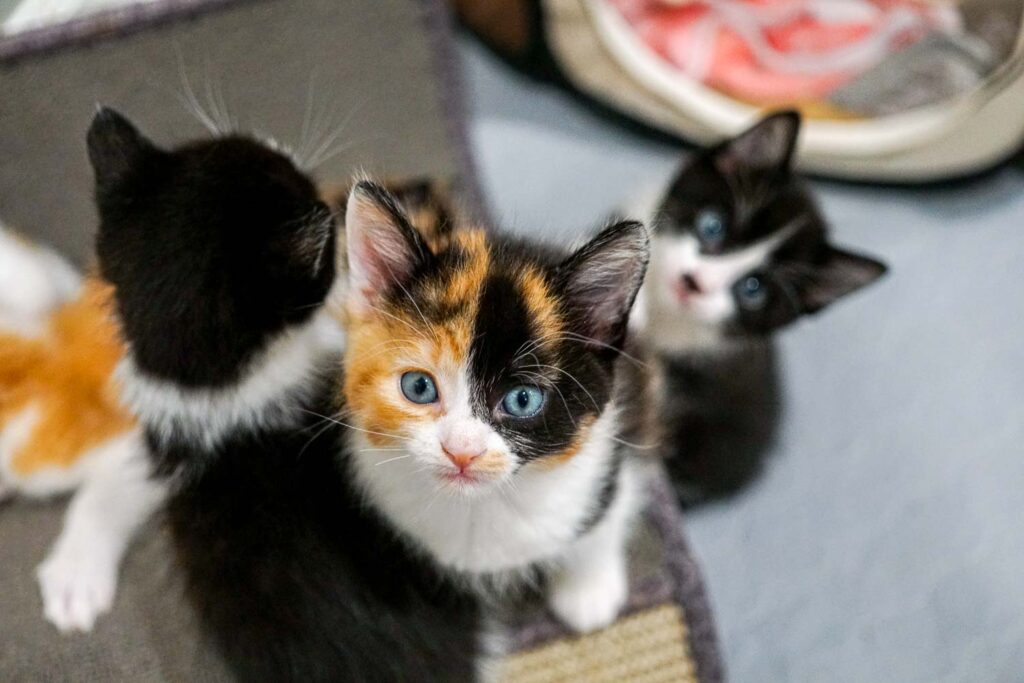
Navigating the process can certainly feel a bit overwhelming if it’s your first time. Understanding what to expect and knowing how to prepare can make the transition smoother for both you and your new cat. This post will cover the key steps involved in adopting from a shelter, share practical tips for a successful transition, and address some common questions and myths about shelter cats.
I adopted my first shelter cat in 1999 (and we’ve added many more since then) and I’ve been involved in fostering and rescuing cats for several years. I’ve seen firsthand how rewarding it can be to help a cat find a new home.
Understanding the Process
When adopting a cat from a shelter, it’s helpful to know what to expect so you can be prepared and make the process as smooth as possible. While each shelter may have slightly different procedures, there are some common steps and requirements you’re likely to encounter.
1. The Application Process
Most shelters require you to fill out an adoption application. This usually includes basic information about your household, your experience with pets, any current pets, and your plans for the cat’s care. Some shelters may also ask about your living situation, including whether you rent or own your home, and may require landlord approval if you’re renting. Many also ask for a vet reference, so if you don’t currently have one it might be a good idea to call around for one taking new patients in your area.
2. Fees and Documentation
Adoption fees can vary greatly depending on the shelter or rescue organization. It can be hard to understand why shelters require a fee to adopt when there are so many cats and kittens that need a home, but the cost of getting a cat ready for adoption is not insignificant. When adopting a cat from the shelter, the fees generally help offset some of the costs of essential veterinary care, like vaccinations, spaying or neutering, and microchipping. Be prepared to provide a government-issued ID and proof of address. Some shelters also require references or a home visit, especially for cats with special needs.
3. Meeting the Cats
Every shelter manages its cat population differently. Some have cages or condos for the cats, some have a community room, and often, cats are being fostered off-site in homes of volunteers. It’s typically best to ask if you have a specific cat in mind from the rescue website to make sure they’ll be available for a meet and greet. If you are walking in hoping to meet the right cat, the adoption counselor may assist by asking you questions to help and match you up with the right age and temperament cat. It’s always a good idea to ask questions about the cat’s personality, medical history, and known behavioral traits. Always remember that cats may be nervous or scared in this environment. The more time you have to spend the more successful you will likely be.
4. Home Preparation
Before bringing your new cat home, creating a safe and comfortable space is essential. You may be anxious to integrate them into your family and house, but it’s important to start with a smaller area, like a spare bedroom or bathroom, where your cat can adjust to the new environment. Make sure to include a litter box, food and water dishes, a bed, and a few toys. Gradually introduce your cat to the rest of the house once they feel secure.
5. Finalizing the Adoption
Once you’ve found your match, you’ll typically sign an adoption agreement and pay the adoption fee. This document outlines your commitment to care for the cat and may include terms about returning the cat to the shelter if you can no longer care for them. After signing, you’ll receive medical records and other important information to take home with your new pet.
Understanding these steps can help you feel more confident and prepared throughout the adoption process. Each shelter may have its own specific requirements, so it’s always a good idea to check their website or call ahead to know what to expect.
Top Tips for a Successful Adoption
Bringing a new cat into your home can be exciting, but it’s important to set yourself and your new feline friend up for success. Here are some practical tips to help make the transition as smooth as possible:
1. Research Shelters and Their Reputations
Not all shelters operate the same way, so take some time to learn about the ones in your area. Look for online reviews, ask for recommendations from fellow cat lovers, and consider visiting in person to get a feel for how the cats are cared for. Choosing a reputable shelter increases the likelihood of adopting a healthy, well-socialized cat.
2. Ask the Right Questions
When meeting a potential new pet, it’s crucial to get as much information as possible. Here are a few questions to consider:
- How did the cat end up at the shelter?
- What is the cat’s medical history?
- What is the cat’s personality?
- Are there any known behavioral issues?
- Does the cat get along with other pets or children?
- Is the cat currently on any medication or a special diet?
Having a clear understanding of the cat’s health and personality can help you make an informed decision.
3. Be Open-Minded About the “Imperfect” Cat
It’s easy to fall for the playful kittens or the cats that immediately seek attention, but remember that some of the more reserved or older cats may be just as loving once they feel safe. Special needs cats or those with unique quirks may require a bit more effort, but they are often the ones who need a home the most. Giving a chance to a less popular cat can be incredibly fulfilling. You can always ask to meet the cat waiting at the shelter the longest.
4. Be Prepared for the Adjustment Period
Even the friendliest cats can feel stressed or overwhelmed in a new environment. Be patient and give them time to explore and settle in at their own pace. Creating a quiet, safe space where they can retreat will help them feel more secure. Sometimes, it can take weeks or even months for a cat to feel fully at home, so consistency and patience are key.
5. Make a Long-Term Commitment
Adopting a cat means being ready for years of companionship and care. Please consider your lifestyle and how a new pet will fit in. Are you prepared for the costs of food, litter, and vet visits? Are you ready to adapt your routine if your cat has medical or behavioral needs? Thinking long-term before adopting helps ensure you are prepared for the responsibility. Cats can easily live 15 – 20 years. Will your new pet fit into your plans?
6. Prepare Your Family and Other Pets
If you have other pets, introduce the new cat slowly and carefully. Start by keeping them in separate rooms, allowing them to get used to each other’s scent before face-to-face meetings. Make sure children know how to interact gently and respectfully with the new cat. Setting expectations early can prevent stress for everyone involved. Jackson Galaxy offers many detailed resources about how to introduce a new cat into your household.
7. Lean on Community Resources
Shelters and rescue organizations often provide support even after the adoption. Use these resources, whether it’s advice on behavior, recommendations for local vets, or access to adoption counselors. Connecting with online communities of adopters can also offer valuable insights and encouragement.
By keeping these tips in mind, you’ll be well-equipped to give your new cat the best possible start in their new home.
Common Questions & Myths
You may have heard rumors or have some preconceived notions about shelter cats. There are a lot of misconceptions and questions that potential adopters often have. Let’s address some of the most common ones to help clear up any uncertainties.
1. Are shelter cats harder to socialize than cats from breeders?
Some people believe that cats from breeders are easier to train or socialize than shelter cats. In reality, a cat’s behavior is shaped more by its personality and experiences than by where it came from. Many shelter cats have lived in homes before, making them familiar with litter box use, scratching posts, and social interactions. Training a cat, whether from a breeder or a shelter, requires patience, consistency, and positive reinforcement. The key is focusing on building trust and providing a stable environment.
2. Are shelter cats often sick or neglected?
A common misconception is that cats end up in shelters because they are sick or have behavioral issues. In reality, many cats are surrendered due to changes in their owner’s circumstances, such as moving, financial hardship, or allergies, or they are simply found as strays. Reputable shelters will assess each cat’s health, providing necessary veterinary care before adoption. Adopting from a licensed shelter typically means the cat has been spayed or neutered, vaccinated, and treated for any known medical conditions.
3. Will an adult shelter cat bond with me like a kitten would?
Absolutely! While kittens are undeniably cute, adult cats often form deep, lasting bonds with their new families. Older cats tend to be more settled in their personalities, making it easier to find a good match. Plus, you’ll already have a sense of their temperament and behavior, so you’re less likely to be surprised as they mature.
4. Do special needs cats require a lot more care?
It depends on the cat’s specific needs, but many special needs cats live happy, fulfilling lives with minimal extra care. For instance, a cat with a missing limb might need a few environmental adjustments, while a cat with diabetes might require regular insulin shots. Shelters are usually very transparent about a cat’s medical needs and can guide you on what to expect. Many adopters find that the extra effort is worth the love and companionship they receive.
5. Are shelter cats more prone to behavioral issues?
Behavioral issues can happen with any cat, whether adopted from a shelter or not. However, shelters and rescues often evaluate a cat’s temperament before placing them for adoption. Some cats may initially be shy or fearful due to their previous experiences, but with time, patience, and positive reinforcement, most will adjust well to their new home.
6. Are black cats less adoptable than other cats?
Unfortunately, black cats are often overlooked in shelters due to superstitions or simply because they don’t stand out in photos. However, they can be just as affectionate, playful, and loyal as cats of any other color. If you’re open to adopting a black cat, you might find yourself surprised at how sweet and social they can be.
By understanding these common questions and misconceptions, you can feel more confident about giving a shelter cat a new home. Adopting from a shelter not only saves a life but also brings joy to your own.
Conclusion
Adopting a cat from a shelter can be one of the most rewarding decisions you make. Not only are you giving a deserving animal a second chance, but you’re also gaining a loyal and loving companion. Whether you choose a playful kitten, a calm senior, or a special needs cat, the joy of watching them thrive in a safe and caring environment is truly unmatched.
If you’re ready to start your adoption journey, take some time to visit local shelters or browse their websites to see who might be waiting for a home. You never know when a cat’s story will touch your heart and make you realize they’re the one.
We’d love to hear about your own adoption stories! Share your experiences in the comments below and let us know how your shelter cat has changed your life.
Ready to make a difference? Learn more about how you can support rescue and foster opportunities by joining our email list. Together we can change lives—one cat at a time.

