
Adopting a Special Needs Cat: Everything You Should Know
Adopting any pet is a big decision, but when that cat has unique medical, physical, or behavioral challenges, it can feel even more overwhelming. While special needs cats may require a little extra care, they are every bit as loving, joyful, and deserving as any other cat. Too often, these cats are overlooked in shelters simply because people don’t know what “special needs” really means or they don’t feel equipped to handle their care.
Here’s a closer look at the realities of adopting a special needs cat, from understanding their needs to embracing the joy they bring.

Defining ‘Special Needs’ in Cats
When people hear the phrase special needs cat, it can sound intimidating. Really what it means is that the cat has a condition that requires some extra care or a different routine. These needs can vary widely, and while some can require extensive care, many of the needs are very manageable in a home environment.
Some cats have unique conditions that place them in the “special needs” category. These can include:
- Mobility challenges from an injury, birth defect, or paralysis
- Manx syndrome, which may cause incontinence or digestive issues
- Neurological differences that affect movement or coordination (like wobbling when they walk)
- Chronic illnesses such as diabetes, kidney disease, or FIV, which may require ongoing medication or special diets
- Vision or hearing loss, which can affect how they navigate the world
Each of these conditions comes with its own considerations, but none of them prevent a cat from living a happy, loving life in the right home.
What is important to remember is that these diagnoses do not define who the cat is. A cat who needs daily medication or a ramp to reach the couch is still the same affectionate, playful companion as any other feline. They are not “less than.” They simply need someone willing to adapt their routine or environment for the.
Adopting a special needs cat is about embracing a little extra responsibility in exchange for a lot of love. With the right support and preparation, these cats can thrive in homes where they are safe, cared for, and cherished exactly as they are.
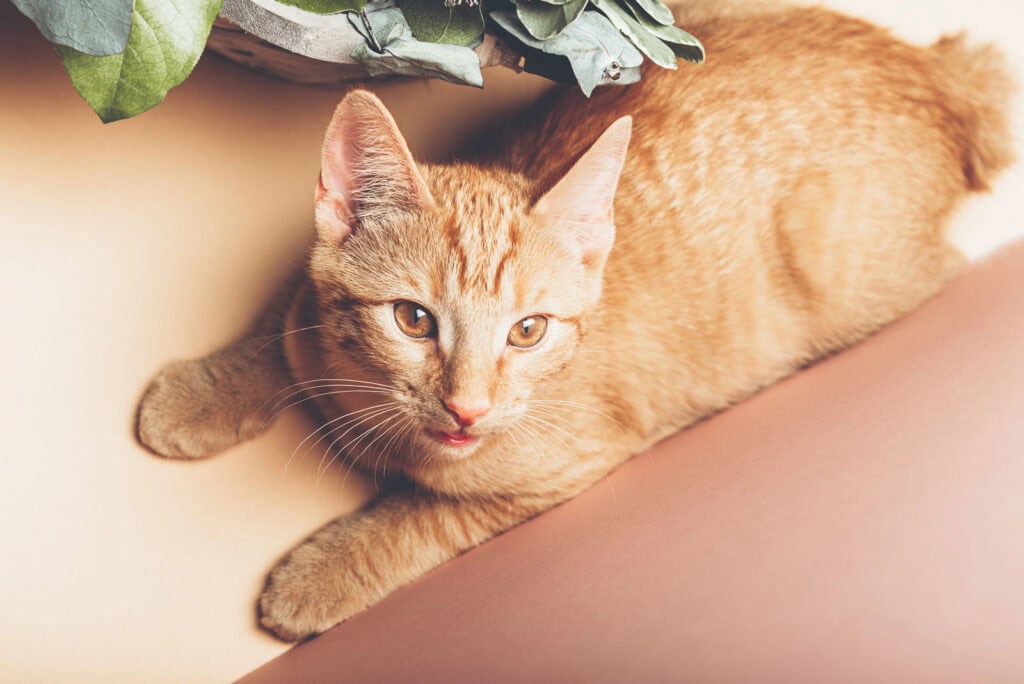
The Journey of Adopting a Special Needs Cat
Sometimes people come across a story or photo of a cat with special needs and feel an instant connection. That spark of compassion can be the beginning of a beautiful adoption journey. But before making the commitment, it’s important to think carefully about what adopting a special needs cat will mean for your daily life and long-term responsibilities.
Start by asking yourself a few key questions:
- Am I financially prepared for potential extra veterinary care or ongoing medication?
- Does my lifestyle allow for the time needed to provide special feeding, litter box management, or physical support?
- Am I comfortable learning new routines, like administering medication or creating an accessible space for a mobility-challenged cat?
Once you’ve thought through those basics, the next step is to talk with the shelter or rescue caring for the cat. Ask them about the cat’s daily routine, any medical treatments they are receiving, and what challenges they’ve faced in foster care or at the shelter. Even if the shelter can’t provide every detail, having these conversations will give you a clearer picture of what to expect.
It’s also important to recognize that caring for a special needs cat is a journey of learning and adjustment. You may discover new challenges over time, but you’ll also discover new joys and a bond that runs deep. Approaching adoption with open eyes and an open heart ensures that when you bring your cat home, you’re ready to give them not just love, but stability and security for life.
Once you’ve decided to welcome a special needs cat into your home, preparation is key. The more you plan ahead, the smoother the transition will be for both you and your new companion.
How to Prepare for Adopting a Special Needs Cat
1. Prepare your home.
Make the environment safe and accessible. Add ramps or steps if mobility is an issue, provide multiple litter boxes for cats with incontinence, and create a quiet retreat space where they can feel secure.
2. Plan for veterinary care.
Schedule a check-up with your vet soon after adoption. Confirm any medications, diets, or follow-up care. Set aside a monthly budget so you are ready for ongoing or unexpected costs.
3. Get the right supplies.
Stock up on essentials like washable bedding, litter box liners, or food recommended by your vet. Having everything ready makes those first days less stressful.
4. Prepare yourself emotionally.
Special needs care requires patience and flexibility. Expect some trial and error as you and your cat learn routines together. Having support from a vet, friends, or online communities can make all the difference.
5. Stay open to learning.
Every special needs cat is unique. You may need to adapt along the way, but your willingness to learn ensures your cat feels safe and loved.
Care Tips for New Adopters
Bringing home a special needs cat can feel a little daunting at first, but with the right approach, you’ll quickly settle into a routine that works for both of you. Here are some tips to help you feel confident and prepared.
Start small and safe.
Give your cat a quiet, contained space during the first few days so they don’t feel overwhelmed. A spare room with their litter box, food, water, and bed will help them feel secure while they adjust.
Stick to a routine.
Special needs cats thrive on consistency. Feed them at the same times each day, keep their litter box in the same location, and administer medications on schedule. Predictability helps reduce stress and builds trust.
Work with your veterinarian.
Schedule an exam soon after adoption, even if the cat recently saw a vet. This establishes a baseline and gives you a chance to ask about ongoing care. Don’t hesitate to reach out if you notice changes in behavior, appetite, or mobility. Don’t forget, you are now the best advocate for your cat, so never hesitate to ask questions or seek a second opinion.
Make the environment accessible.
Simple adjustments can make life easier. Ramps or pet steps help cats with mobility challenges. Washable bedding and litter box pads help manage incontinence. Elevated food and water dishes can help cats with arthritis or neck issues.
Be patient with learning.
Every cat is different, and it may take time to understand what works best. Some trial and error is normal. Celebrate small victories, and remember that setbacks are part of the journey.
Seek support.
You don’t have to do it alone. Online groups, local rescues, and even your veterinarian can provide tips and encouragement. Connecting with others who care for special needs cats can be both reassuring and inspiring.
With preparation, patience, and compassion, you’ll discover that caring for a special needs cat isn’t just possible. It’s deeply rewarding.
Conclusion
Adopting a special needs cat is not a decision to take lightly, but for the right person, it can be one of the most rewarding experiences imaginable. These cats may require extra care, but they also give back endless love, gratitude, and joy. With preparation, patience, and a willingness to learn, you can provide a home where a special needs cat doesn’t just survive, they thrive.
If you feel inspired to take that step, reach out to your local shelter or rescue and ask about cats who need a little extra help. And even if adoption isn’t possible for you right now, you can still make a difference by fostering, volunteering, donating, or simply sharing the stories of cats in need. Every action helps open the door for another cat to find safety and love.
Because at the end of the day, no matter their challenges, every cat is Still Worth Saving.
