
What is Manx Syndrome in Cats
If you’ve ever met a cat without a tail, you may have wondered whether there’s more to the story than genetics alone. While some cats (like Japanese Bobtails ) are naturally tailless without health concerns, others may carry a gene mutation that can lead to a condition known as Manx syndrome. This syndrome affects the spine and nerves, sometimes leading to lifelong challenges.
Understanding what Manx syndrome is, how it presents, and how to care for cats who have it can make the difference between a life cut short and a life full of love.
The Genetics Behind Manx Syndrome
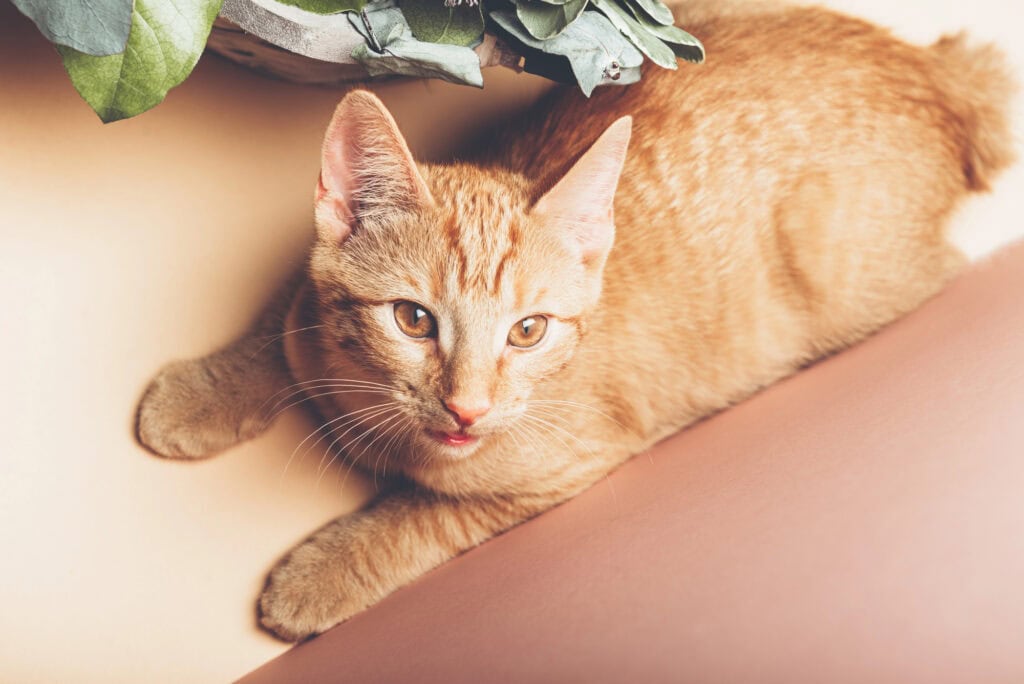
The name comes from the Manx cat, a breed originating from the Isle of Man, where a natural mutation shortened the tail. Over time, the trait was selectively bred and spread beyond the island.
What makes the mutation unique is how it works:
- One copy of the gene often results in a shortened tail (sometimes just a stub).
- Two copies of the gene are lethal, which is why no Manx cat is truly “purebred.”
- Cats with no copies of the gene will have a normal tail.
This gene doesn’t just affect tail length. In some cases, it also shortens the spine, disrupting nerves that control a cat’s bladder, bowels, or hind leg coordination. That’s when we see Manx syndrome.
Not every tailless cat will have the condition, but the risk is always present when the mutation is in play.
Symptoms and Diagnosis
Cats with Manx syndrome can show a wide range of signs, depending on how the shortened spine impacts their nerves. Common symptoms include:
- Difficulty walking, a “bunny hop,” or unsteady gait
- Incontinence (loss of bladder and/or bowel control)
- Constipation or difficulty passing stool
- Hind leg weakness or paralysis
- Abnormal posture or stance
Diagnosis usually involves:
- Veterinary exams (neurological checks, reflex tests)
- X-rays to visualize spinal deformities
- Observation of how the cat moves, eats, and uses the litter box
Sometimes symptoms appear when kittens are very young. In other cases, problems may not surface until they grow and develop.
Living With Manx Syndrome
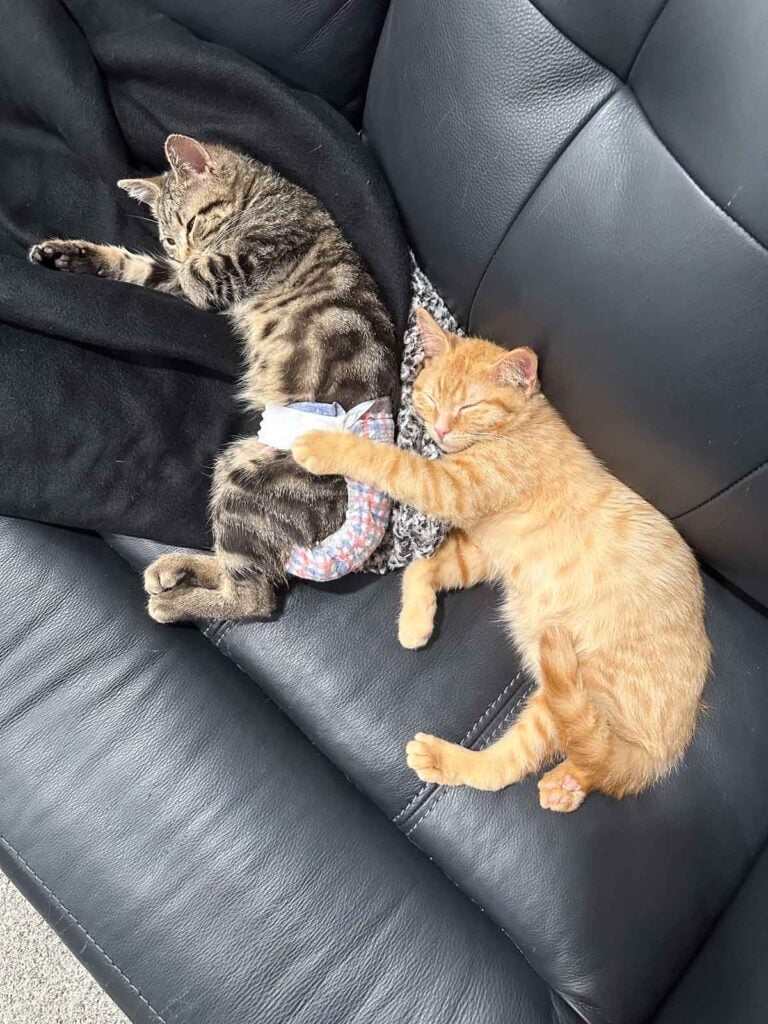
One of the biggest misconceptions about Manx syndrome is that it makes cats “unadoptable.” In reality, many cats with the condition can live long, joyful lives, they just need a little extra help.
Daily Care
Care routines depend on severity, but can include:
- Helping the cat use the litter box, or using washable bedding and puppy pads
- Expressing the bladder and bowels when they can’t on their own (something that can be taught)
- Adjusting diet to support digestion and prevent constipation
- Providing ramps or stairs for cats with mobility challenges
Supplies That Help
- Washable bedding and waterproof covers
- Litter boxes with low entry sides
- Pee pads to protect flooring
- Elevated food and water dishes to make eating easier
Emotional Side
Caring for a cat with Manx syndrome requires patience and flexibility. There may be accidents, trial and error with diets, and ongoing vet visits. But the rewards, like seeing a cat thrive because you gave them a chance, are immeasurable.
Quality of Life
The question often raised is whether cats with Manx syndrome can live good lives. The answer is yes. With the right care, many are playful, affectionate, and active companions.
For shelters, though, limited staff, space, and resources mean cats with conditions like this are often euthanized. Not because people don’t care, but because caring for them requires more than most shelters can provide without help.
That’s where fosters, adopters, and rescue partners come in, to step up and bridge the gap.
Myths and Misconceptions
Let’s break down a few common misunderstandings:
- Myth: All tailless cats have Manx syndrome. Fact: Many tailless cats live without health issues. The gene increases risk but doesn’t guarantee problems.
- Myth: Cats with Manx syndrome can’t be house pets. Fact: With small adaptations, many thrive as happy, playful family companions.
- Myth: It’s cruel to let them live. Fact: Cats with Manx syndrome are not suffering simply because they have the condition. With support, they enjoy full, meaningful lives.
Turbo’s Story: Inspiration for a Mission
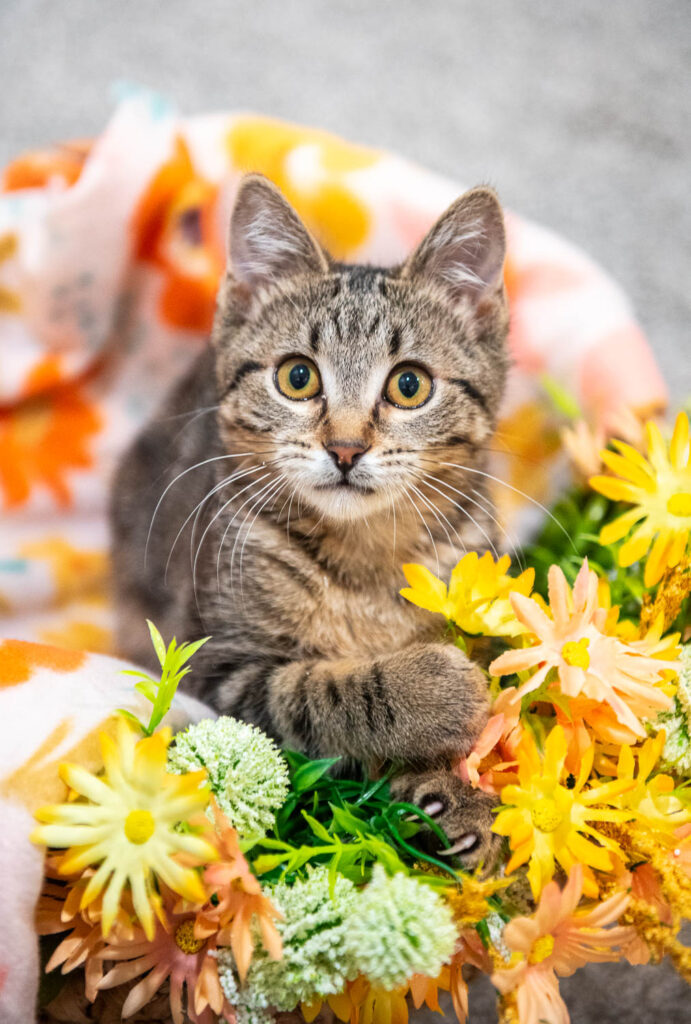
For me, Manx syndrome became more than just a term in a vet’s dictionary when I met Turbo. She arrived at a shelter sick, struggling with infections, and showing obvious signs of mobility and incontinence issues. In an overcrowded system, her chances were slim.
But one shelter worker said yes, a rescue director said yes, and I opened my home to foster her. Together, that chain of compassion gave Turbo the chance she needed.
Learning to care for her wasn’t easy. I had to figure out new routines, adjust my expectations, and remind myself daily that she was worth it. And she showed me every day, through her joy, playfulness, and resilience, that she wasn’t defined by her condition.
Turbo is now part of our family, and she’s also the reason Still Worth Saving exists: to ensure more cats like her get the chance to live and be loved.
Adopting or Fostering Cats With Manx Syndrome
If you’re considering helping a cat with Manx syndrome, here are a few things to keep in mind:
- Talk with the rescue or foster home. Learn about the cat’s current care routine and what to expect day-to-day.
- Find a supportive vet. Not all vets have experience with this condition, so building a strong relationship with one who does is invaluable.
- Prepare your home. Set up a safe, contained space with washable bedding, easy-access litter, and food/water stations.
- Be patient. There may be setbacks, but each small victory is a reminder of why it’s worth it.
- Seek community. Online support groups and rescue networks can offer advice, encouragement, and tips from others who have been there.
If you are interested in adopting or fostering a cat with Manx Syndrome, fill out our interest form here and if the opportunity comes up we can connect you!
The Bigger Picture
Why focus on Manx syndrome, or any special needs? Because these are the cats most at risk in shelters. When resources are tight, cats requiring extra care are often the first to be euthanized.
But with education, resources, and support, that doesn’t have to be their fate. Still Worth Saving exists to stand beside shelters, fosters, and adopters and to show the world that special needs cats are not unadoptable, they are simply waiting for someone willing to adapt.
Final Thoughts
Manx syndrome may sound intimidating, but at its core it’s simply a condition that requires understanding and care. These cats are not defined by their diagnosis. They are loving companions who deserve the same chance as any other.
Turbo’s story is proof of that. And she is not alone. With compassion, education, and a willingness to help, countless other cats with Manx syndrome can find their happy endings.
Every cat is Still Worth Saving.
